

Artificial Intelligence (AI) is poised to revolutionize education by offering personalized learning experiences and uncovering new potentials that can transform how we teach and learn. As AI technology advances, its integration into educational systems presents both opportunities and challenges. Here’s a look at how AI is shaping the future of education.
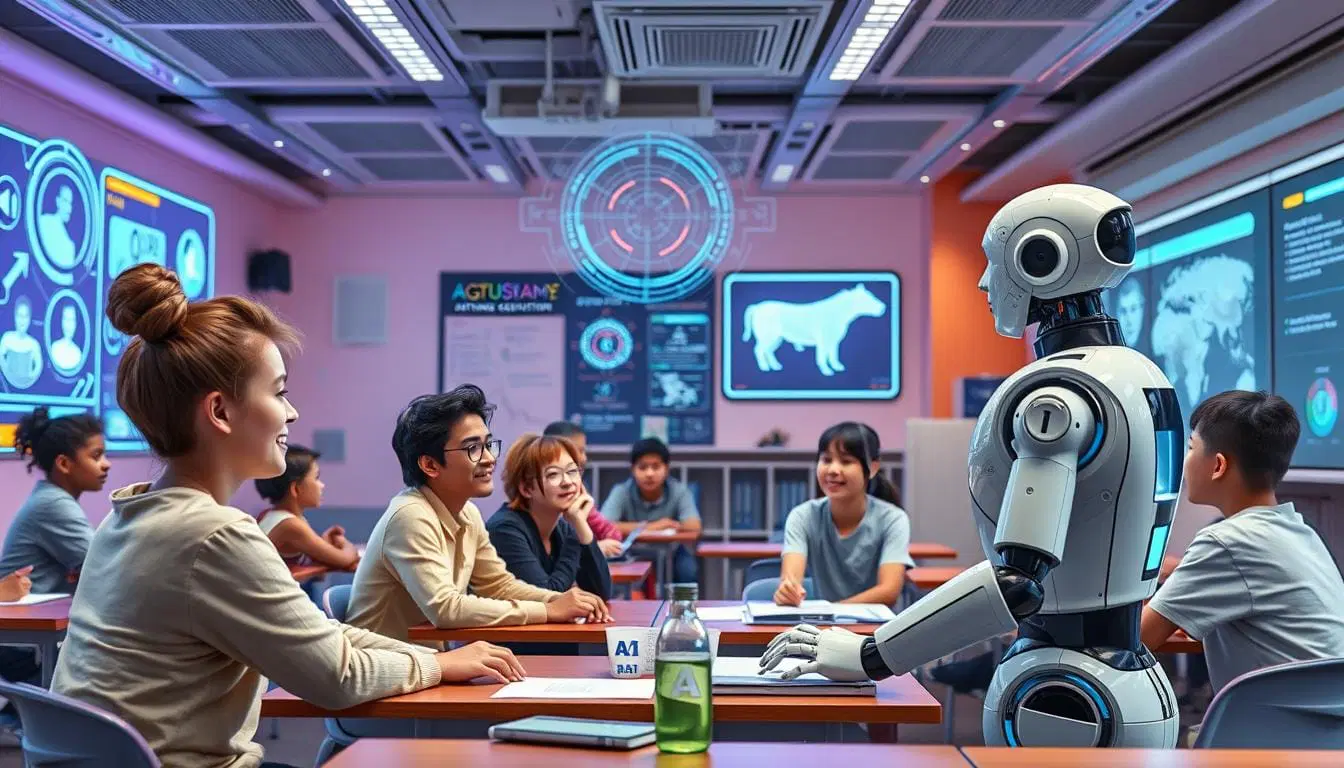
Personalized Learning
Adaptive Learning Systems: AI-powered adaptive learning systems tailor educational content to meet the unique needs of each student. By analyzing students' learning styles, progress, and areas of difficulty, these systems adjust the pace and complexity of lessons accordingly. This ensures that students receive customized support, enhancing their learning outcomes.
Intelligent Tutoring Systems: Intelligent tutoring systems (ITS) use AI to provide personalized instruction and feedback. These systems can identify students' weaknesses and provide targeted exercises to address them. They can also offer explanations and hints, mimicking the one-on-one interaction with a human tutor. This individualized attention helps students grasp complex concepts more effectively.
Predictive Analytics: AI employs predictive analytics to forecast students' academic performance and identify those at risk of falling behind. By analyzing data such as attendance, participation, and assessment scores, AI can alert educators to potential issues and suggest interventions. This proactive approach enables timely support and reduces dropout rates.
Enhancing Classroom Experience
AI-Driven Assessments: AI can automate and enhance the assessment process. Automated grading systems evaluate assignments and exams quickly and accurately, providing immediate feedback to students. AI can also analyze patterns in student responses to identify common misconceptions and areas that require further instruction.
Virtual Classrooms and AI Teaching Assistants: Virtual classrooms powered by AI facilitate remote learning and collaboration. AI teaching assistants can manage administrative tasks, answer frequently asked questions, and provide additional resources. This allows educators to focus more on teaching and less on routine tasks, improving the overall classroom experience.
Gamification and Engagement: AI can create interactive and engaging learning experiences through gamification. By incorporating game elements such as rewards, challenges, and progress tracking, AI makes learning more enjoyable and motivating. This approach can particularly benefit subjects that students typically find less interesting or challenging.
Unexpected Potentials
Language Translation and Accessibility: AI-powered language translation tools can break down language barriers in education, making learning materials accessible to students worldwide. These tools enable real-time translation of lectures and texts, allowing non-native speakers to participate fully. AI can also assist students with disabilities by providing speech-to-text services, adaptive learning tools, and personalized support.
Emotional and Social Learning: AI systems are being developed to recognize and respond to students' emotional and social cues. These systems can detect signs of stress, frustration, or disengagement through facial expressions and voice analysis. By understanding students' emotional states, AI can provide appropriate support and create a more empathetic learning environment.
Curriculum Development and Optimization: AI can analyze vast amounts of educational data to identify trends and gaps in curricula. This analysis helps educators design more effective and relevant courses, ensuring that the content meets current educational standards and industry needs. AI can also suggest updates and improvements to keep curricula aligned with technological advancements and job market demands.
Challenges and Considerations
Data Privacy and Security: The use of AI in education involves collecting and analyzing large amounts of student data. Ensuring the privacy and security of this data is crucial. Educational institutions must implement robust data protection measures and comply with regulations to safeguard students' personal information.
Equity and Access: While AI has the potential to enhance education, there is a risk of widening the digital divide. Ensuring equitable access to AI technologies and resources is essential to prevent disparities between different socio-economic groups. Policymakers and educators must work together to provide inclusive and accessible AI-driven education.
Ethical Considerations: The deployment of AI in education raises ethical questions about the role of technology in teaching and learning. It is important to maintain a balance between AI support and human interaction. Educators should be trained to use AI responsibly and ethically, ensuring that technology complements rather than replaces human educators.
Conclusion
AI is set to transform education by personalizing learning, enhancing classroom experiences, and unlocking unexpected potentials. As the technology continues to evolve, it will play an increasingly vital role in shaping the future of education. By addressing challenges related to data privacy, equity, and ethics, we can harness the power of AI to create more effective, inclusive, and engaging learning environments for all students.


